
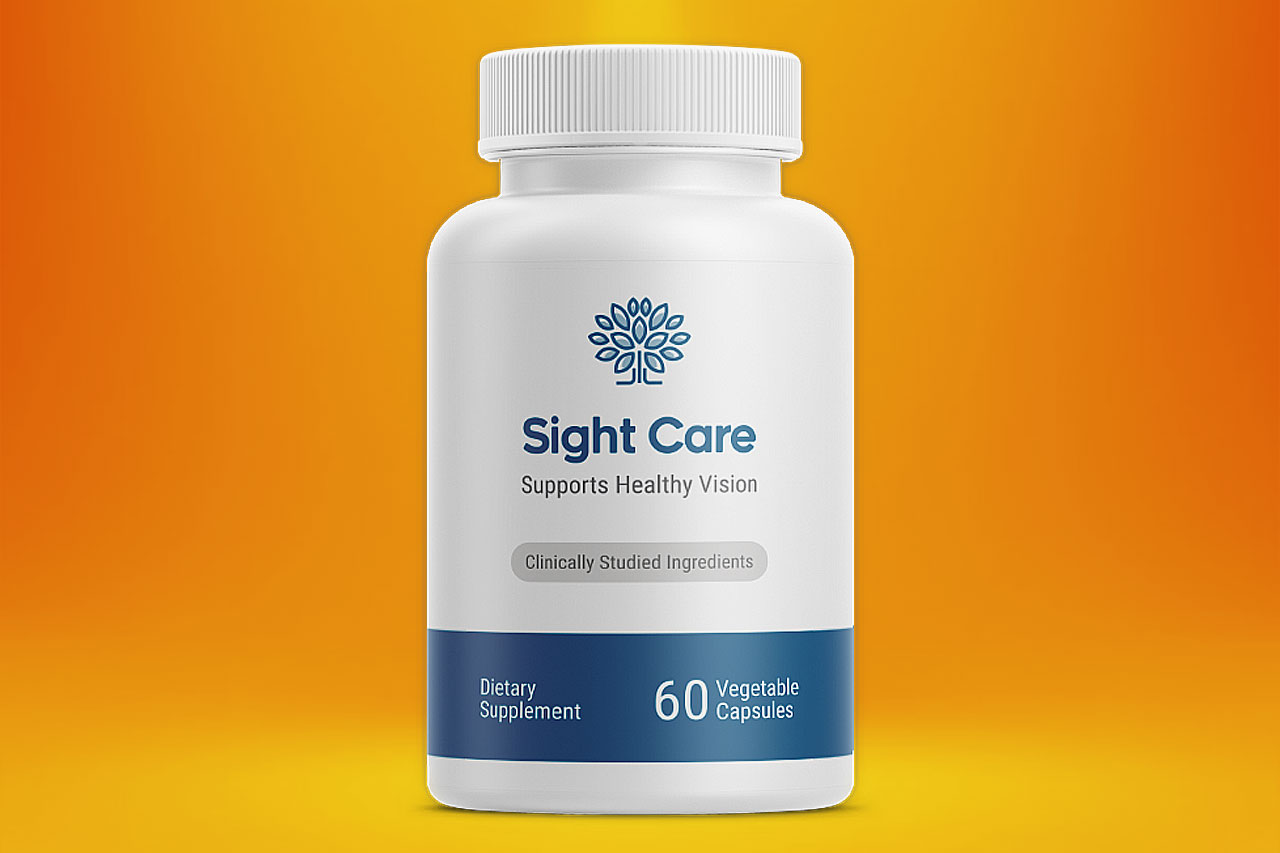
If you are searching for SightCare reviews, the useful answer is simple: make your decision from the current label and checkout details, not from a dramatic headline. Before you order, make sure you can see what is in the bottle, how it is used, what the complete order costs, and what happens if you change your mind.
Disclosure: Heads up, this page contains affiliate links. We may earn a commission when you buy through these links.
| What to check first | The current ingredient label, directions, final checkout price, and return instructions. |
| Product Page | Product Page |
| Best comparison method | Put the full label, daily routine, price, and return terms beside any alternative you are considering. |
| Useful safety step | If you take medication or have an eye-health concern, ask a clinician about the label before adding a supplement. |
What should a useful SightCare review tell you?
A useful review answers the questions that matter after the sales page catches your attention. What exactly would arrive at your door? What does the label say? How much is the complete order? How often would you need to take it? What are the return steps? Those answers make the decision much easier than a list of broad promises.
Start with the product page and read it as though you were comparing two items on a shelf. Look for the product name, bottle size, full supplement facts panel, directions, price, bundle choices, shipping information, return instructions, and customer-support route. Save the page or take a screenshot before checkout so the details you relied on are easy to find later.
That small pause gives you control. You are not trying to decode an ad. You are deciding whether the daily routine, ingredients, and cost make sense for you. The site’s guide to judging health claims is useful when you want to separate a broad product message from the details that should guide a purchase.
It also helps to decide what you want from an eye-support supplement before you compare brands. Some people care most about a simple routine. Some want to see the exact amount of each ingredient. Others want a clear return process or a particular bundle size. There is no need to pretend every shopper has the same priority. A good choice is the one whose real details fit yours.
Is SightCare legit?
For a product review, “legit” usually means more than whether the name appears online. You want an offer that lets you see the product, understand the order, reach the seller, and keep a record of the purchase. The practical way to answer that question is to confirm those points before money changes hands.
Use the Product Page to review the current product name, label, order options, and checkout terms. Then read every screen before submitting payment. Check whether the cart total matches the price you expected, whether the quantity is what you selected, and whether any recurring-order option appears in the checkout flow.
Keep the confirmation email, order number, and support contact details in one place. That is useful whether you decide to keep the product, ask a question about delivery, or use the return process. A clear paper trail turns a vague purchase into one you can manage comfortably.
Be especially careful with look-alike pages and names that are only one or two words apart. A supplement’s title is not enough to establish that two offers are the same. Compare the bottle image, complete label, seller information, directions, and checkout terms before treating one product as a substitute for another.
How do you compare eye supplements fairly?
Start with the back-label information rather than the front-label language. The front may tell you the product category. The full label tells you what you are being asked to use every day. It is the best place to begin a side-by-side comparison.
| What to compare | What to look for | Why it helps |
|---|---|---|
| Product identity | The exact product name and bottle presentation. | It helps you avoid mixing up similarly named offers. |
| Complete label | Each listed ingredient and its stated amount. | You can compare formulas instead of comparing slogans. |
| Daily directions | The stated serving size and timing instructions. | You can decide whether the routine is one you will realistically follow. |
| Bottle quantity | The number of servings the seller says the bottle contains. | You can estimate how often you may need to reorder. |
| Checkout total | The product price, shipping, taxes, and selected quantity. | You see what you would actually pay rather than a headline figure. |
| Bundle terms | How many bottles are included and whether the bundle changes the per-bottle cost. | You can choose a bundle only if it matches your plans. |
| Return steps | The time window, contact method, and instructions shown by the seller. | You know what to do if the order is not right for you. |
| Support route | A practical way to ask a pre-order or post-order question. | You have a direct path for questions about the order. |
For a second product page to compare, see Product Page. Put the current product details side by side. This is more helpful than assuming two eye-support products are interchangeable because they use similar words in their marketing.
When you compare labels, take your time with the numbers. A formula can contain a familiar ingredient name while using a different stated amount or serving size than another formula. If you are unsure how a product’s ingredients fit with a medication, an existing routine, or a specific eye-health concern, bring the exact label to a clinician. That is much more useful than trying to make the choice from a product name alone.
What are people saying about Clear Gaze and Retina Clear?
Clear Gaze, Retina Clear, and SightCare should be treated as separate shopping decisions unless a product page itself identifies them as the same formula. Similar names are common in the supplement market, and a search result or social-media comment does not replace a full label comparison.
If you see a comment about Clear Gaze, first identify the exact product being discussed. Look for the company name, a bottle image, the ingredient panel, the price context, and the date of the comment. A statement about one formula may not apply to another formula with a similar eye-related name.
The same approach applies to a Retina Clear search. Confirm the name on the package, the seller, the current label, directions, and the current order terms. Once you have those basics, you can decide whether it belongs in your comparison at all.
Comments can still help you generate questions. For example, a person’s post may remind you to check delivery timing, serving size, bundle quantity, or the return process. Use comments as prompts for what to confirm directly in the current order flow, not as a replacement for it.
Is Retina Clear sold at Walmart?
If Walmart is where you prefer to shop, check the retailer’s current listing before you buy. Confirm the seller name, the exact bottle image, quantity, label, price, delivery information, and return terms on the listing you would actually use. That keeps your comparison tied to the item in your cart rather than to an old mention or a similarly named product.
When you compare a retailer listing with a direct product offer, use the same checklist for both. Look at the formula, serving directions, bottle count, total cost, delivery timing, and return steps. One route may suit you better because of convenience; the other may offer a bundle you prefer. The important part is choosing from the current terms rather than guessing.
What is the number one vitamin for your eyes?
There is no one-word answer that can stand in for a complete eye-health decision. A product may feature one nutrient prominently, while another formula uses several ingredients. The better question is which product, if any, has a clearly stated label and routine that you understand and are comfortable discussing with a clinician when that applies to you.
If a product calls attention to a particular vitamin, mineral, plant extract, or antioxidant, read the complete panel rather than assuming the front-label ingredient tells the whole story. Check the stated amount, serving size, and whether the formula contains other ingredients you also need to consider.
One vitamin, fruit, food, or drink does not replace a tailored eye-care plan. If your question comes from a new vision change, the useful next step is an eye-care visit rather than trying to solve that change with a single food or supplement choice.
Is there a miracle fruit for eyesight?
“Miracle fruit” is a catchy search phrase, but it does not help you compare real choices. Foods, drinks, and supplements can all be part of a person’s routine, yet they are not identical choices and should not be judged by the same standard. A food is something you may enjoy regularly; a supplement is a purchased formula with a label, a daily direction, and an order policy to review.
If a video or ad presents one fruit as the whole answer, bring the focus back to what you can check. What is the actual product? Is it a food, a powder, a capsule, or a blend? What does the label say? What would it cost? What routine would it require? Those questions make the decision calmer and more concrete.
For food or drink questions tied to a particular eye concern, an eye-care clinician can help you frame the right question for your own situation. Take a photo of any product label or write down the ingredient name first. That gives the conversation a useful starting point.
What food is worst for vision loss?
Lists that crown one food as “the worst” tend to create more anxiety than clarity. They also distract from the practical choice in front of you: whether a specific supplement’s ingredients, routine, price, and ordering terms are suitable for you.
If your interest in SightCare began with a worry about changes in your vision, do not let a food-ranking article become the whole plan. Write down when you noticed the change, what you noticed, and whether it affects one or both eyes. An eye-care clinician can use that information to guide the next conversation. You can then return to the supplement question with a much clearer sense of what you are trying to support.
What should you drink to improve eyesight?
A drink recommendation should not be confused with a product decision. If a beverage is part of an overall routine you enjoy, that is different from buying a capsule formula with specific directions and purchase terms. Keep the questions separate so you can make each choice on its own merits.
When an ad links a drink, a recipe, and a supplement together, separate the moving parts. Ask whether you want the convenience of a ready-made daily formula, the flexibility of choosing foods and drinks yourself, or both. The done-for-you option may appeal because it reduces measuring and remembering; a food-based routine may appeal because you control every component. Neither choice has to be made in a rush.
Could you make an eye-support routine yourself?
You can always build routines around the foods and habits you choose. The tradeoff is time and consistency. A recipe means shopping, measuring, preparing, and remembering it day after day. A capsule product is designed to be the simpler version: you check the label once, follow the directions, and know what the daily routine asks of you.
That convenience is worth considering honestly. If you already have a routine that feels easy and sustainable, you may prefer to keep it simple. If your days are busy and you want a product with clear directions, a formula may fit better. The deciding factor should be whether you understand exactly what you are adding and feel comfortable with the ongoing cost.
Before choosing either route, decide what “easy enough” looks like for you. Is it one daily step? Is it avoiding large bundles? Is it being able to read every ingredient? Is it purchasing from a route with return instructions you understand? Once you know that answer, comparison shopping becomes much less stressful.
What should you check on the SightCare label?
The label is the center of the decision. Read it from top to bottom before you order. Note every ingredient listed, the stated amount per serving, the serving size, any suggested timing, and any other directions printed for the product.
| Label question | Why ask it? |
|---|---|
| What ingredients are listed? | You can see the complete formula rather than relying on a short promotional list. |
| What amount is listed for each ingredient? | You can compare the stated formula with another product accurately. |
| What is one serving? | You can understand how the product defines its daily routine. |
| How many servings are in the bottle? | You can relate the bottle quantity to the price and possible reorder timing. |
| Are there directions about timing or use? | You can decide whether those instructions fit your normal day. |
| Are there ingredients you want to ask about? | You can bring the exact label to a clinician or pharmacist when needed. |
Do not assume that “natural” means the same thing as “right for every person.” The exact label is what matters when you are considering medications, allergies, pregnancy, nursing, a planned procedure, or an ongoing health concern. Asking about the actual panel makes the conversation specific and useful.
What about SightCare side effects and safety?
Safety questions belong beside the label, not buried at the bottom of an order page. Before adding any supplement, review the ingredient panel and directions. If you take medication, have an eye-health concern, or are unsure about an ingredient, ask a clinician or pharmacist about the label before you add it to your routine.
That step does not have to be complicated. Take a clear photo of the product panel, include the serving directions, and say what you already take. It is a practical way to get an answer that applies to the formula you are considering instead of a general answer about a product category.
Pay attention to your own comfort with the purchase as well. If you do not understand an ingredient, a direction, a bundle, or an order term, pause and ask the seller before checkout. A good buying decision leaves you clear on what you ordered and how to get help if you need it.
How much does SightCare cost?
Prices and bundles change, so check today’s price directly with the company at checkout. The number that matters is the complete total for the exact selection you plan to buy, including the number of bottles, shipping, taxes, and any optional extras you choose.
Do not let a per-bottle figure make the decision for you. A larger bundle may reduce the price assigned to each bottle, but it also raises the total paid today and gives you more product to manage. A single-bottle choice may feel easier if you first want to understand the routine and ordering process. Your best option is the one you would be comfortable buying even if the bundle language were not on the page.
| Checkout item | Confirm before paying |
|---|---|
| Selected quantity | Count the bottles or units in your cart. |
| Product total | Make sure it matches the option you chose. |
| Shipping and taxes | Read the final order total, not only the product price. |
| Optional additions | Remove anything you do not want before submitting payment. |
| Recurring terms | Read any option that describes future deliveries or charges. |
| Order confirmation | Save it with the support and return information. |
How do returns and refunds work?
Read the seller’s current return instructions before purchasing, not only after a package arrives. Look for the return window, the support contact method, any steps for requesting a return, and whether you need an order number or other information. Save those details with the confirmation email.
A return policy is most useful when you understand it before you need it. If the wording leaves you with a practical question, ask support before ordering and keep the reply. For example, you may want to know how a return request begins, whether unused items need to be returned, or what confirmation you will receive after a request is made.
When an order arrives, keep the package, receipt, and order details together until you have decided what to do. This is a simple habit that can save time if you need support later.
Before you order SightCare
- Open the current Product Page and read the complete label.
- Confirm the serving directions and number of servings in the selection you want.
- Check the final checkout price, including shipping, taxes, and selected bundle quantity.
- Read the return instructions and save the support route.
- Check any recurring-order choice before submitting payment.
- Keep the order confirmation and product details together.
- If medication, an eye-health concern, or an ingredient question applies to you, ask a clinician or pharmacist about the exact label first.
The bottom line on SightCare reviews
SightCare is best approached as a clear shopping decision: read the label, understand the daily routine, confirm the total cost, and know the return steps before checkout. That gives you a much stronger answer than a generic review headline and leaves the final call where it belongs—with you.
When the product details fit what you want, ordering can be a simple next step. When they do not, you have lost nothing by taking a few minutes to compare the current label and terms with another option. Either way, you are making the decision with the information that matters.
